Engaging Outdoor Learning Activities for Children

Outdoor learning is not just a trend; it is a vital part of a child's development. With the rise of technology and indoor entertainment, children are spending less time outside, which can hinder their physical, social, and cognitive growth. Engaging outdoor learning activities can help bridge this gap, providing children with opportunities to explore, discover, and learn in a natural environment. In this blog post, we will explore various outdoor activities that are not only fun but also educational, ensuring that children develop essential skills while enjoying the great outdoors.

The Importance of Outdoor Learning
Outdoor learning offers numerous benefits for children, including:
Physical Health: Engaging in outdoor activities promotes physical fitness, helping to combat obesity and related health issues.
Social Skills: Children learn to communicate, collaborate, and resolve conflicts while playing and exploring with peers.
Cognitive Development: Nature stimulates curiosity and creativity, encouraging children to ask questions and seek answers.
Emotional Well-being: Spending time outdoors can reduce stress and anxiety, promoting a sense of calm and happiness.
Nature Scavenger Hunts
One of the simplest yet most effective outdoor activities is a nature scavenger hunt. This activity encourages children to explore their surroundings while developing observational skills.
How to Organize a Nature Scavenger Hunt:
Create a List: Prepare a list of items for children to find, such as specific leaves, rocks, flowers, or insects.
Set Boundaries: Define the area where the scavenger hunt will take place to ensure safety.
Encourage Teamwork: Divide children into small groups to promote collaboration and communication.
Discuss Findings: After the hunt, gather everyone to share their discoveries and discuss what they learned.
Gardening Projects
Gardening is an excellent way for children to connect with nature and learn about ecosystems, responsibility, and patience.
Steps to Start a Gardening Project:
Choose a Location: Find a suitable outdoor space, whether it's a backyard, community garden, or schoolyard.
Select Plants: Choose easy-to-grow plants, such as flowers, vegetables, or herbs, that will engage children.
Assign Roles: Give each child a specific task, such as planting, watering, or weeding, to foster a sense of ownership.
Monitor Growth: Encourage children to observe and document the growth of their plants, discussing the changes they see.
Outdoor Art Projects
Art doesn't have to be confined to the classroom. Outdoor art projects allow children to express their creativity while enjoying the fresh air.
Ideas for Outdoor Art Projects:
Nature Collages: Collect leaves, flowers, and other natural materials to create collages on paper or cardboard.
Rock Painting: Find smooth rocks and paint them with colorful designs or inspirational messages.
Sidewalk Chalk Art: Use sidewalk chalk to create large murals or games like hopscotch on driveways or sidewalks.
Wildlife Observation
Observing wildlife is an engaging way for children to learn about animals and their habitats.
Tips for Wildlife Observation:
Choose a Location: Visit a local park, nature reserve, or even your backyard to observe birds, insects, and other wildlife.
Bring Binoculars: Equip children with binoculars to get a closer look at distant animals.
Keep a Journal: Encourage children to keep a wildlife journal, documenting their observations and sketches of the animals they see.
Discuss Ecosystems: Use the opportunity to teach children about food chains, habitats, and the importance of biodiversity.
Outdoor Science Experiments
Outdoor settings provide the perfect backdrop for hands-on science experiments that can spark curiosity and foster a love for learning.
Examples of Outdoor Science Experiments:
Plant Growth Experiments: Test how different amounts of sunlight or water affect plant growth by setting up a controlled experiment.
Water Filtration: Create a simple water filtration system using sand, gravel, and charcoal to teach children about clean water and environmental science.
Weather Observations: Set up a weather station to track temperature, rainfall, and wind speed, allowing children to learn about meteorology.
Team Sports and Games
Engaging in team sports and games not only promotes physical fitness but also teaches valuable life skills such as teamwork, leadership, and sportsmanship.
Popular Outdoor Games:
Capture the Flag: A classic game that encourages strategy and teamwork.
Ultimate Frisbee: A fun way to improve hand-eye coordination and cardiovascular fitness.
Obstacle Courses: Set up a course using natural elements like logs, rocks, and trees to challenge children physically and mentally.
Nature Walks and Hikes
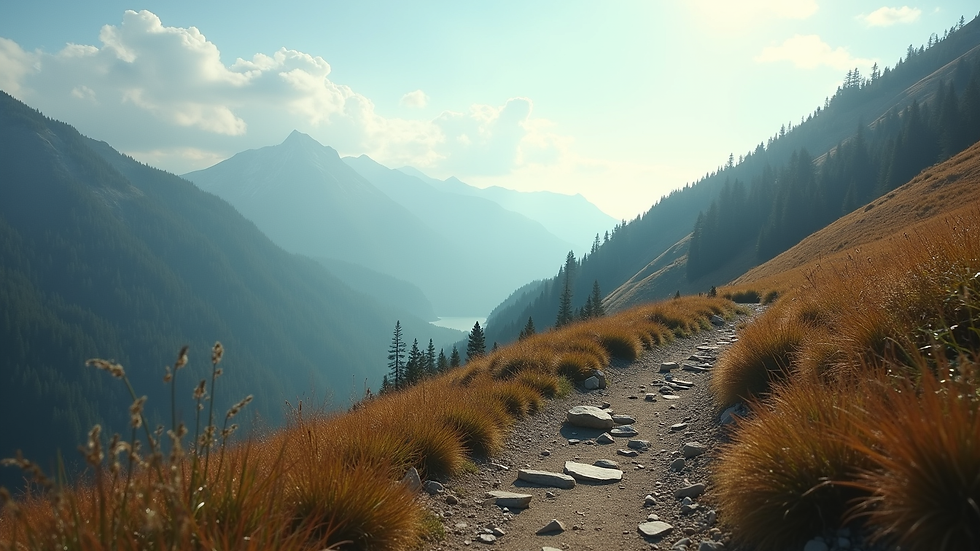
Nature walks and hikes are excellent ways to explore the outdoors while promoting physical activity and environmental awareness.
Tips for Successful Nature Walks:
Plan Your Route: Choose a trail that is suitable for the age and ability of the children.
Incorporate Learning: Discuss the plants, animals, and ecosystems encountered along the way.
Encourage Questions: Allow children to ask questions and share their thoughts about what they see.
Leave No Trace: Teach children the importance of respecting nature by following the Leave No Trace principles.
Outdoor Cooking
Cooking outdoors can be a fun and educational experience that teaches children about nutrition, safety, and teamwork.
Ideas for Outdoor Cooking Activities:
Campfire Cooking: Teach children how to safely cook over a campfire, making simple meals like s'mores or foil-wrapped vegetables.
Picnic Preparation: Involve children in preparing healthy picnic foods, discussing the nutritional value of each item.
Herb Identification: If gardening is part of your outdoor activities, use fresh herbs from the garden in your cooking to teach children about flavors and cooking techniques.
Conclusion
Engaging outdoor learning activities provide children with invaluable experiences that contribute to their overall development. By incorporating activities such as nature scavenger hunts, gardening, outdoor art projects, wildlife observation, science experiments, team sports, nature walks, and outdoor cooking, we can foster a love for nature and learning in children.
Encourage the children in your life to step outside, explore, and discover the wonders of the natural world. The skills they develop and the memories they create will last a lifetime. So, gather your supplies, head outdoors, and start making learning an adventure!

Comments